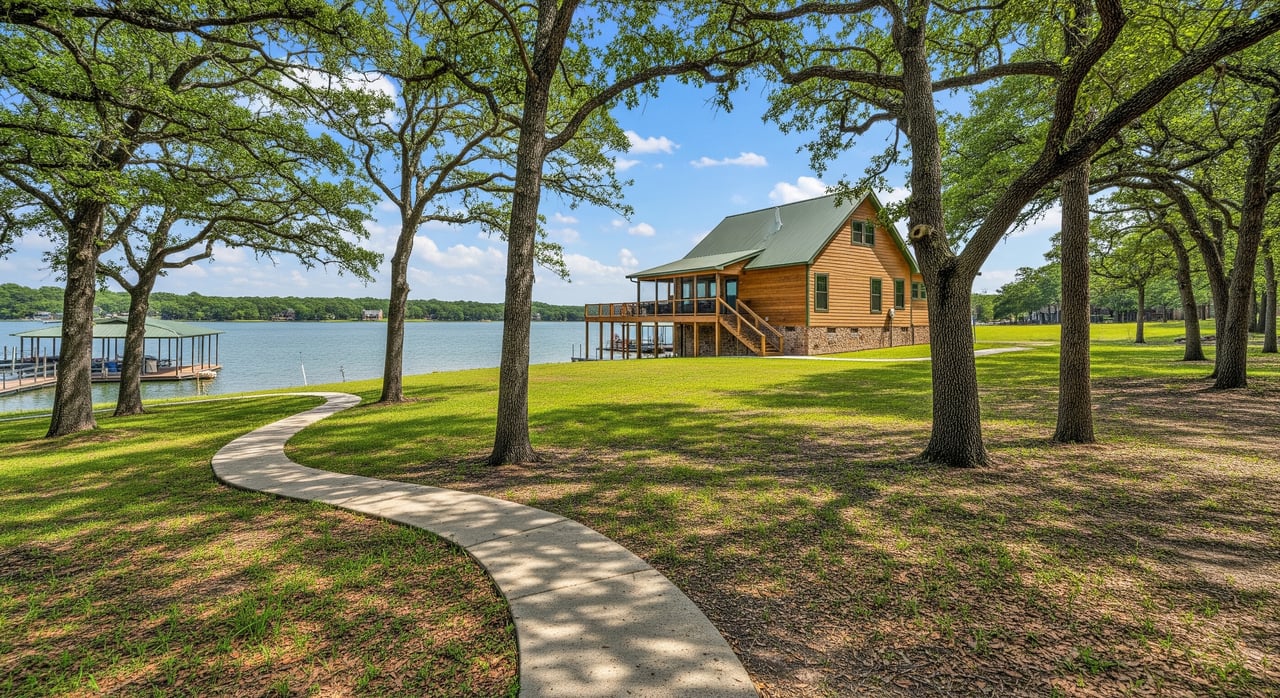
Imagine stepping out your front door, coffee in hand, and landing on a lakeside trail within minutes. If you are weighing a move to Bella Vista, you probably care less about lists of amenities and more about how your day will actually feel. In this guide, you will see what a typical morning, afternoon, and evening look like here, and how the lakes and trails shape your home search, budget, and routine. Let’s dive in.
Morning on the lakes and trails
Your day often starts outside. Paved and crushed-rock paths wind through neighborhoods and along the shoreline, so it is easy to grab the leash, lace up your shoes, and get moving before work. Many residents use these routes for quiet walks, runs, or a quick bike ride to clear their head.
If you live on or near a lake, mornings invite calm, low-impact time on the water. You might sit on the porch with sunrise views or take a short paddle in a kayak or on a stand-up paddleboard. The setting is hilly and wooded, so even a simple stroll offers birdsong, deer sightings, and a sense of retreat.
Daytime rhythms outdoors
Midday and afternoon bring more action. Families and friends often gather at neighborhood lake access points for short outings on small motorboats, jon boats, kayaks, and SUPs. Many access points include picnic areas or simple launch spots for quick, low-maintenance fun.
Fishing fits easily into everyday life. With lakes managed for recreation, you will see anglers on docks, shorelines, and small boats. Trails and lake edges also draw birdwatchers, and seasonal changes keep scenery fresh year-round.
Evenings and community
After work, the trails feel social. You will notice evening walks, group hikes, and casual meetups near trailheads and lake access points. On weekends, some neighborhoods host informal gatherings near the water.
Community programs pop up across the seasons. The Property Owners Association (POA) and local groups may organize group hikes, educational sessions, or fishing events. Always check the POA calendar to confirm what is current before you plan.
Trails overview and access
Trail types you will find
You can expect a mix of paved multi-use paths, crushed-rock walking routes, and singletrack designed for mountain biking. These trails link neighborhoods to parks and lake access points, so you do not have to load a car to enjoy them. If you prefer gentle terrain, choose the paved or crushed-rock sections. If you want challenge, singletrack delivers.
Family-friendly options
Many trails are suitable for strollers and casual walkers. You can plan short, scenic loops for a quick break or pick longer segments for a weekend workout. For safety, follow posted guidance and yield protocols so walkers, runners, and cyclists can share the space.
Maintenance and rules
Trail upkeep and rules sit with the POA. Pet leash policies, permitted uses, and maps can change, so review the official trail map and guidance before you settle into a routine. This helps you choose routes that fit your comfort level and keeps shared spaces enjoyable for everyone.
Lakes, boating, and fishing basics
Boat access and storage
Neighborhoods often have designated boat launches or community docks for POA members. If you own a small boat or plan to buy one, look into trailer storage options and seasonal launch access before you commit to a property. Some areas have limited parking capacity, and storage rules can vary by neighborhood.
Motor rules and lake types
Bella Vista includes a range of lake sizes, and rules can vary by lake. Some lakes may allow limited gas motors, while others are electric-only. Check lake-specific regulations with the POA so your boat choice and routine match your preferred water.
Fishing and wildlife
Local lakes commonly support species such as largemouth bass, catfish, and sunfish. If you plan to fish, confirm licensing requirements and seasons through state resources before you head out. Dawn and dusk are especially active times for wildlife viewing, and it is common to see herons, turtles, and deer along the shoreline.
How nature shapes home choices
Lakefront living perks and tradeoffs
If daily dock time and shore views top your list, lakefront or lake-access homes will be most appealing. These properties often carry a premium and come with added responsibilities, such as shoreline care and dock upkeep. You will also follow POA rules on dock placement, erosion control, and maintenance.
Trail-adjacent convenience
If you value a walkable routine with quick trail access, homes near trailheads are a strong fit. The convenience can be a major lifestyle win for daily walkers and cyclists. Before you buy, consider how close you want to be to a popular access point, since those spots can be busier on weekends.
Interior and wooded lots
Interior neighborhoods and wooded lots offer shade, privacy, and quiet settings that back to natural spaces or small ponds. You can still reach the lakes and trails, just with a short drive or bike ride. For many buyers, these properties balance access with a calmer day-to-day feel.
Costs, rules, and logistics
POA membership and fees
Many of the amenities that support this lifestyle are managed by the POA. Expect membership or assessments to cover access to lakes, trails, parks, and other facilities. Always review current dues, fee structures, and amenity details with the POA as part of your budgeting.
Docks, permits, and maintenance
If you plan to have a dock or expand an existing one, confirm the permitting process and design standards in advance. Shoreline guidelines, setbacks, and construction rules help protect water quality and the shared environment. Include time for approvals and ongoing maintenance in your planning.
Flood risk and insurance
Shoreline and low-lying lots can carry higher flood risk. Before you make an offer, review local floodplain maps and speak with your insurance provider about coverage options and estimated premiums. This simple step protects your budget and ensures long-term peace of mind.
Pets, parking, and seasonal crowds
Leash rules and swim-area guidance help everyone share the space safely. Trailer and guest parking can be limited near busy launches, especially on summer weekends. If you value maximum privacy and quiet, weigh the pros and cons of living close to a popular access point.
Test-drive the lifestyle
The best way to understand Bella Vista is to live a day here. Visit in the early morning and again at dusk to see wildlife and how the trails feel at peak times. If possible, check a weekday and a weekend to compare activity levels.
Bring comfortable shoes and plan a short walk on both a paved section and a natural-surface trail. If paddling is part of your dream, rent or borrow a kayak for a quick loop and note how close the launch is to nearby homes. Pay attention to sound, parking, and how people use the space so you can match a neighborhood to your routine.
Questions to ask on tours
- How close is the nearest trail or lake access point, and what is the typical activity level on weekends?
- What POA memberships or assessments apply to this property, and what do they include?
- Are docks allowed here, and what permits or maintenance standards will I need to follow?
- Where can I store a boat trailer, and are there capacity limits or waitlists?
- Does this lot sit in a floodplain, and what does that mean for insurance?
- What are the leash rules and posted guidelines for nearby trails and swim areas?
How Julie Wolfe helps
Choosing a home in Bella Vista is about more than square footage. It is about syncing your day-to-day life with the lakes and trails you will use most. With organized, compassionate guidance and deep local insight, Julie helps you translate outdoor goals into smart property choices.
- Buyer representation with a lifestyle lens. You will see how each home’s location changes your routine, from dock logistics to trail access.
- Relocation support that shortens your learning curve. You will get hyperlocal context and practical checklists so you can decide with confidence.
- New-construction consulting for buyers building near trails or water. You will understand easements, setbacks, and POA standards before you break ground.
- Investment guidance grounded in neighborhood demand. You will have a clear view of how lakefront and trail-adjacent features influence value.
If you want a daily life shaped by woods, water, and well-kept trails, Bella Vista deserves a close look. When you are ready to walk the neighborhoods, compare access points, and narrow your shortlist, reach out to Julie Wolfe for calm, local guidance.
FAQs
Do I need POA membership to use Bella Vista lakes and trails?
- Many amenities are managed by the POA, and membership or assessments can apply. Confirm current access rules and fee details directly with the POA.
Which lakes allow gas motors versus electric-only boats?
- Rules vary by lake. Before buying a boat or a lakefront home, review lake-specific motor guidelines with the POA so your plans match the permitted uses.
Are private docks allowed and how are they permitted?
- Private docks may be allowed in some areas, subject to POA standards, permits, and maintenance rules. Ask for the current dock policy and approval process.
Are there stroller-friendly trails in Bella Vista?
- Yes. Alongside singletrack, you will find paved and crushed-rock paths suited to strollers and casual walkers. Use the official trail map to choose suitable routes.
What fish can I expect and do I need a license?
- Lakes commonly support species such as largemouth bass, catfish, and sunfish. Check state resources for current fishing regulations and license requirements.
How busy do trailheads and lake launches get on weekends?
- Activity often increases on warm weekends and holidays. If you prefer quieter settings, consider homes slightly removed from the most popular access points.
Should I worry about flood risk on lakefront lots?
- Flood risk can be higher on low-lying shoreline properties. Review floodplain maps and consult an insurance provider to understand coverage and costs before you buy.